NOTESWhat we’re
What we’re
thinking about,
what we shipped.
Short essays on what we’re seeing in galleries, occasional product changelog, and the occasional half-formed idea about audio guides as a medium. Written by the team. No marketing department.

JUN 7·ESSAY
The two-week pilot, deconstructed.
We tell prospective customers that a Convo pilot can go from contract signature to live, multilingual tour in two to four weeks. That's not a marketing number. It's a description of a specific sequence of work, and almost all of it is on the museum's side. Here's what actually happens.
ERIC DUFFY
·
8 MIN READ
READ

JUN 6·ESSAY
What "AI-narrated" actually means.
The phrase "AI-narrated audio guide" gets used to describe four genuinely different products. They are not the same thing, and the differences matter for what a museum is actually buying. A short, opinionated taxonomy.
ERIC DUFFY
·
7 MIN READ
READ

JUN 5·ESSAY
What we won't ship.
Most product strategy documents are a list of what you intend to build. The more honest document is the list of what you've decided not to build, and why. Here's ours — five features that would demo well, and would, in our view, make the product worse at what it's actually for.
ERIC DUFFY
·
8 MIN READ
READ

JUN 4·ESSAY
The case against the rented handset.
The rented handset solved a real problem in 1995. The constraints that made it the right answer are gone. What's left is a piece of hardware that creates three new problems and solves none of the original ones — and museums keep renewing the contract anyway.
ERIC DUFFY
·
9 MIN READ
READ

JUN 3·ESSAY
Why grounding matters more than the model.
Every vendor pitch in 2026 leads with the model — GPT-5, Claude, Gemini, the next one. None of those are the moat. The moat is whether the platform decides to ground the answer or fall back to plausibility, and museums should be evaluating vendors on that, not on the model nameplate.
ERIC DUFFY
·
9 MIN READ
READ

JUN 2·ESSAY
Why we publish our prices.
Most B2B SaaS hides pricing behind a sales call. We publish the price a small museum pays, and the basis on which everyone else is quoted. The reason isn't that we have nothing to hide; it's that the convention costs small museums more than it costs the vendors who use it.
ERIC DUFFY
·
8 MIN READ
READ

MAY 29·ESSAY
The audio guide is not the product.
The script, the narration, the playlist of stops — these are delivery mechanisms. The actual product is the visitor's relationship to your collection. Most vendors are selling the wrong thing.
ERIC DUFFY
·
10 MIN READ
READ
MAY 25·ESSAY
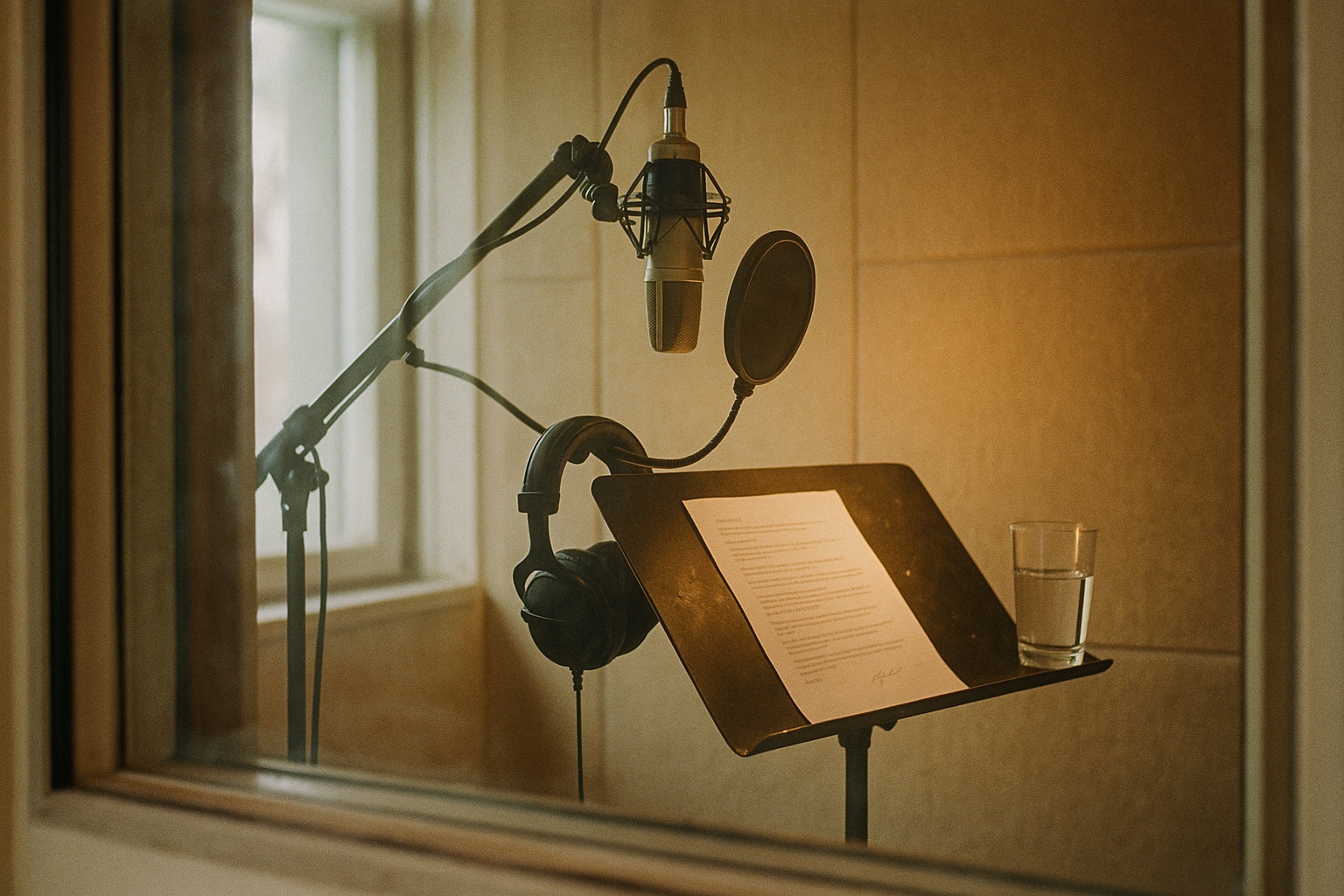
How long does an audio tour actually take to produce?
Audio tours take twelve to twenty weeks per language. Here's where the time actually goes, and what changes when the stages aren't serial.
ERIC DUFFY
·
9 MIN READ
READ

MAY 23·ESSAY
The questions visitors ask but rarely get to ask.
Visitors spend 27 seconds with an artwork and 2.47% of them download the audio app. The questions they actually have rarely reach a curator. Here is what the data shows, and what changes when there is an inbound channel.
ERIC DUFFY
·
9 MIN READ
READ

MAY 5·ESSAY
The 2026 museum visitor: what's changed and what it means.
Five expectations that have already shifted under museums' feet — not trends to watch, but realities to address. What it means for interpretation, and how to think about the next round of audio.
ERIC DUFFY
·
7 MIN READ
READ

APR 28·ESSAY
Authenticity and AI: addressing the elephant in the room.
When you say AI-generated audio to a museum professional, "authenticity" comes up inside five minutes. The concern is real and the answer is more interesting than the dismissal.
ERIC DUFFY
·
9 MIN READ
READ

APR 21·ESSAY
Families, scholars, and first-timers: one collection, many audiences.
A retired art historian and a seven-year-old stand three feet apart in front of the same painting. They want completely different things. The museum has one audio tour. Who is it for?
ERIC DUFFY
·
8 MIN READ
READ